Roof Replacement in Chicago, IL
Chicago Roofing Team strips damaged roofing systems and installs new ones built to handle Chicago's freeze-thaw cycles, ice dams, and severe storms. Roof replacement removes old shingles, underlayment, and flashing down to the roof deck, then builds a new system with modern materials and proper flashing that keeps water out for 25–30 years. Call (312) 313-3253 for a free inspection and estimate.
Call 3123133253What Roof Replacement Actually Involves
Roof replacement is complete removal and reinstallation of your roofing system from the substrate up. Unlike repairs or overlays, we perform a tear-off—stripping away all old shingles, underlayment, and flashing to expose the roof deck and sheathing beneath.
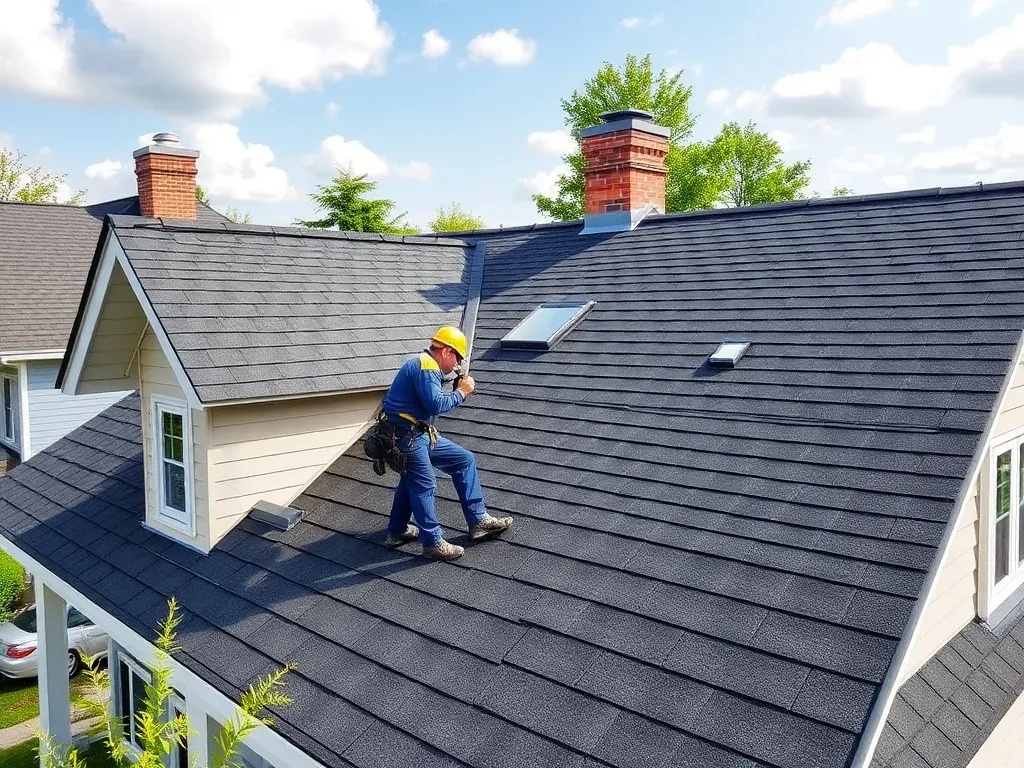
Once bare, we inspect the roof deck for rot or structural damage. Then we install new synthetic underlayment, ice-and-water shield, flashing at all penetrations, and new shingles fastened with proper ring-shank nails using a nail gun. Every component meets Chicago building code.
Warning Signs You Need Replacement
One or two repairs might extend your roof's life. But when multiple failure modes appear together, replacement is the only answer.
- Curling or cupping shingles visible from the ground mean the asphalt has brittleness and the roof is approaching end-of-life wear.
- Granules in gutters after heavy rain indicate the asphalt is eroding and the protective layer is flaking away.
- Water stains on interior ceilings or attic insulation prove water is seeping into your home—flashing or underlayment has failed.
- Missing or broken shingles after a storm, especially scattered across multiple sections, signal damage beyond patch-and-repair.
- Widespread cracking or bald spots where granule coating has spalled or peeled completely away.
- Sagging or soft spots in the roof deck when walked on, indicating rot or decay in the substrate and structural support.
- Flashing that is cracked, rusted, or pulling away from walls, chimneys, or valleys—common sources of ice dam formation.
- Complete loss of water shedding during rain, with leaks appearing in multiple rooms after Chicago storms.
Materials That Stand Chicago's Climate
We install asphalt shingles in three-tab or architectural profiles, with options like GAF Timberline HDZ, Owens Corning Duration Cool Series, and CertainTeed Landmark Pro. These resist wind uplift, impact, and UV degradation far better than budget-grade alternatives.
Beneath the shingles, synthetic underlayment and ice-and-water shield protect the roof deck. Unlike older roofing felt and tar paper that rot over time, modern membranes shed water faster and last longer. Step flashing at walls, counter-flashing at chimneys, pipe boots for vents, and valley flashing where slopes meet complete the system.
Fascia, soffit, ridge cap, drip edge, and gutters manage water runoff. Proper flashing prevents water from wicking under shingles and seeping into your attic. We use appropriate fasteners—nails, screws, adhesive, sealant, and caulk—all specified for Chicago building code.
Step-by-Step Replacement Process
- Roof Inspection & Estimate (Day 1): We inspect your entire roofline and roof deck, check sheathing condition, and assess structural issues or rotted areas. A free written estimate is provided before work starts. Permit application is submitted to the city if your project exceeds 25% roof replacement.
- Tear-Off & Decking Work (Days 1–2): All old shingles, underlayment, felt, and flashing are removed using a roofing shovel and pry bar. The roof deck is now bare. We inspect for rot, decay, or structural problems. Damaged plywood or OSB sheathing is replaced. All debris is disposed of in a dumpster.
- Underlayment & Flashing Installation (Day 2): Synthetic underlayment is rolled across the entire roof. Ice-and-water shield is applied to eaves, valleys, and areas vulnerable to ice dam formation. Step flashing is installed at walls. Chimney flashing and vent boots are set in place. Ridge vents provide ventilation.
- Shingle Installation (Days 2–3): Starter courses are laid along the eaves. Field courses follow in staggered rows, each fastened with ring-shank nails using a nail gun. High-wind zones receive reinforced nailing per building code. Proper overlap and lap prevent water intrusion and wind damage.
- Final Inspection & Cleanup (Day 3–4): Every seam is inspected. Gutters and downspouts are checked for proper drainage. All packaging and fasteners are removed. Your property is left clean. Manufacturer warranty is registered in your name.
Chicago Climate Challenges & Solutions
Chicago's freeze-thaw cycles crack sealant and flashing repeatedly. Heavy winter snow and ice dam formation trap water under shingles, causing it to seep and wick into the attic. Lake effect weather from Lake Michigan brings severe thunderstorms with hail and wind damage, ripping shingles and tearing flashing.
Illinois adopts the 2021 IRC building code. State law mandates ice barrier underlayment on all roof slopes in climate zone 5 (where Chicago is located). High-wind zones require additional fasteners and reinforced nailing patterns. Proper attic ventilation—soffit vents and ridge vents—prevents summer heat buildup that blisters asphalt and weakens roofing.
A new roof with modern synthetic underlayment, ice-and-water shield in vulnerable areas, and proper ridge ventilation handles these challenges far better than a patched system.
Cost & Timeline for Chicago Homeowners
Most Chicago homes (1,500–2,500 sq. ft.) cost $8,000–$18,000 for full replacement with mid-grade shingles. High-slope roofs, multiple roof penetrations (chimneys, skylights), and complex layouts add cost. Permit fees and dumpster rental are included.
A typical replacement takes 2–4 days depending on weather and roof deck condition. We schedule around Chicago's summer storms and winter weather to avoid delays.
Insurance Coverage & Warranty
Insurance often covers storm damage—wind, hail, or snow/ice damage. We assist with insurance claims, including adjuster inspections, proof-of-loss forms, and supplemental claim approval. Many policies cover 80–100% of replacement cost minus your deductible.
Shingle manufacturers warrant products for 10–25 years depending on grade. We provide our own workmanship warranty covering installation. Upon completion, manufacturer warranty is registered in your name. A properly installed roof system lasts 25–30 years with routine maintenance.
What's Included
- Complete tear-off removal of all old shingles, underlayment, flashing, and debris disposal in a dumpster.
- Roof deck and sheathing inspection, with replacement of any rotted or damaged plywood or OSB substrate.
- Installation of synthetic underlayment across the entire roofline.
- Ice-and-water shield on eaves, valleys, and vulnerable areas to prevent ice dam damage.
- Professional flashing installation at all penetrations—step flashing, counter-flashing, chimney flashing, pipe boots, and vent boots.
- New shingles—architectural or three-tab asphalt—fastened with ring-shank nails using proper nailing patterns for Chicago wind zones.
- Ridge cap, ridge vents, drip edge, fascia, and soffit installation for complete water management.
- Manufacturer warranty registration and 10-year workmanship warranty covering installation.
Our Roof Replacement Process
- Roof Inspection & Estimate (Day 1): We inspect your entire roofline and roof deck, check sheathing condition, and identify any structural issues or rotted areas. A free written estimate is provided before work begins. Permit application is submitted to the city if your project exceeds 25% roof replacement.
- Tear-Off & Decking Work (Days 1–2): All old shingles, underlayment, felt, and flashing are removed using a roofing shovel and pry bar. Debris is disposed of in a dumpster. The roof deck is inspected for rot or decay. Damaged plywood or OSB sheathing is replaced with new substrate.
- Underlayment & Flashing Installation (Day 2): Synthetic underlayment is rolled across the entire roof. Ice-and-water shield is applied to eaves, valleys, and high-risk areas. Step flashing, counter-flashing, chimney flashing, pipe boots, and vent boots are installed. Ridge vents are positioned for attic ventilation.
- Shingle Installation (Days 2–3): Starter courses are laid at the eaves. Field courses follow in staggered rows, each fastened with ring-shank nails using a nail gun. High-wind zones receive reinforced nailing per building code. Proper overlap and lap prevent water intrusion and wind damage.
- Final Inspection & Cleanup (Day 3–4): Every seam is inspected. Gutters and downspouts are checked for proper drainage. All packaging, fasteners, and debris are removed. Your property is left clean. Manufacturer warranty is registered in your name.
Signs You Need Roof Replacement
Warning Signs Your Chicago Roof Needs Replacement
- Curling or cupping shingles across large sections of your roofline—a sure sign of age and brittleness.
- Granules visible in gutters and downspouts after heavy Chicago rainstorms—indicating asphalt is eroding and losing its protective layer.
- Water stains on interior ceilings, walls, or attic insulation—proof that flashing or underlayment has failed and leaks are reaching your home.
- Multiple missing or broken shingles after a severe thunderstorm with hail or high winds, scattered across different roof sections.
- Visible sagging or soft spots in the roof deck when you look at the roofline from the ground—a structural warning sign.
- End-of-life wear after 20–25 years of exposure to Chicago's freeze-thaw cycles, UV damage, and seasonal storms.
Don't just take our word for it — hear from our satisfied customers.
"Our roof in Lincoln Park was failing after 23 years. Shingles were curling, and we had a leak in the attic after a heavy snowstorm. Chicago Roofing Team handled the whole process—permit, tear-off, inspection, new system—in three days. The crew was professional, the cleanup was immaculate, and our new roof has a 10-year warranty. Highly recommend." — Sarah M., Lincoln Park, Chicago
"We noticed granules in our gutters and water stains on our basement ceiling during the spring thaw. A roofer told us we needed replacement, not just repair. Chicago Roofing Team came out, did a thorough roof inspection, and gave us an honest estimate. They were licensed and insured, and they handled our insurance claim—we ended up paying just our deductible. Best decision we made." — David T., Pilsen, Chicago
"After a July hailstorm ripped off several shingles on our Wicker Park home, we called three roofing contractors. Chicago Roofing Team was the only one who insisted on inspecting the roof deck and checking for hidden damage before giving an estimate. They found damage we could not see from the ground. Professional, thorough, and fair pricing. Five years in and zero issues." — Jennifer R., Wicker Park, Chicago
Ready to get started? Call us today at 3123133253 for a free estimate.
Free estimates · Licensed & Insured · 25-year warranty
Call 3123133253