Shingle Roofing in Chicago, IL
Chicago Roofing Team replaces failing shingles—those granulated asphalt layers that protect your roof deck from rain, ice, and Chicago's brutal freeze-thaw cycles. When ice dams form on your eaves or hail punches through aged shingles, a proper tear-off and new installation stops the leak and restores your roofline for 20+ years. Call 312-313-3253 for a free residential roofing inspection; we'll assess whether your gutters need attention too.
Call 3123133253Shingle roofing is the installation of overlapping asphalt shingle courses across your roof deck to shed water and protect the underlying structure. In Chicago, where ice dams form each winter and summer hail can crater shingles, your choice of material and installation method determines whether you'll last 15 years or 25+.
Why Asphalt Shingles Over Other Roofing?
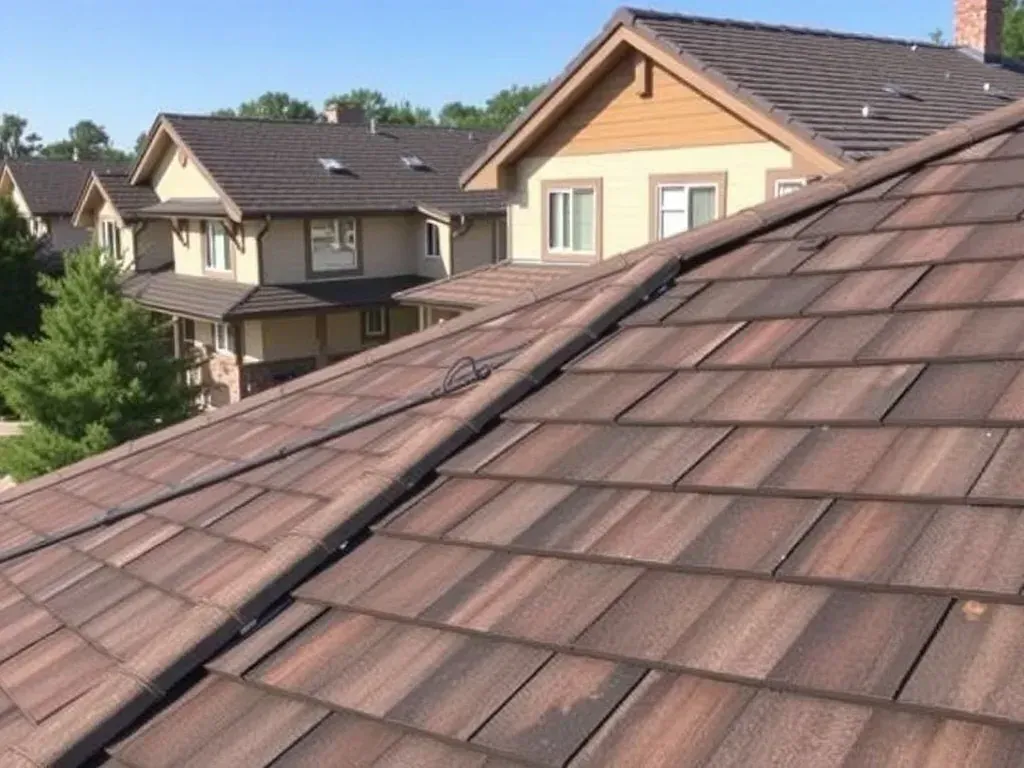
Homeowners choose asphalt shingles for cost and ease of repair. They're cheaper than slate tiles, clay tiles, or concrete tiles (which suit heritage homes but cost 2–3× more). Metal roofing—standing-seam panel and corrugated panel designs—lasts 40+ years but requires specialized labor. Flat roofs use membrane systems: TPO, EPDM, PVC membranes, or modified bitumen tar-and-gravel built-up roofs. But pitched residential roofs in Chicago almost always use asphalt shingles.
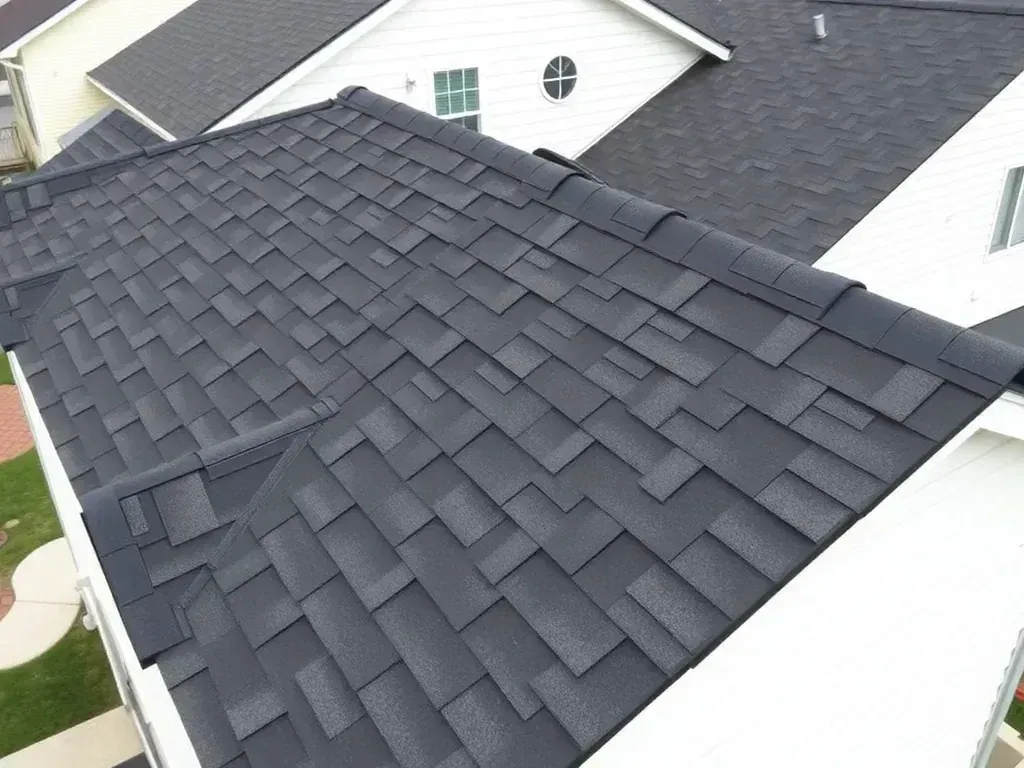
When we talk about shingles, most homeowners think of 3-tab shingles—the flat, single-layer type that costs less upfront but shows its age faster. Architectural shingles (also called dimensional or laminated shingles) have thicker, textured layers that resist wind uplift and hail better. Designer luxury shingles cost more but look like cedar shake or slate.
The difference? A 3-tab shingle is granulated on one face; an architectural shingle has staggered courses of laminated fiberglass matting with heavier granulation on top. Why does this matter in Chicago? Our Lake Michigan shoreline drives intense wind events. The building code here requires shingles rated for 90+ mph wind uplift.
GAF Timberline HDZ, Owens Corning Duration, and CertainTeed Landmark Pro are real choices homeowners compare—each uses different fiberglass substrates and coating thickness.
What Makes a Shingle Fail?
Start with granule loss—that sandy coating protecting the asphalt bitumen underneath. When you see granules in your gutters and downspouts, the shingle is eroding. Freeze-thaw cycles peel the granulated surface.
Hail impact creates bruises that don't show until rain wicks into the damaged spot. Missing or curled shingle edges happen when nails are overdriven or the starter course wasn't installed properly.
Ice dams—ridges of frozen water at your eaves—force melt water under the shingle lap and into your attic, causing rot in rafter and joist structure. Prevention requires proper soffit and ridge vent ventilation and adequate attic insulation to keep the roof deck cold.
How We Install Shingle Roofing
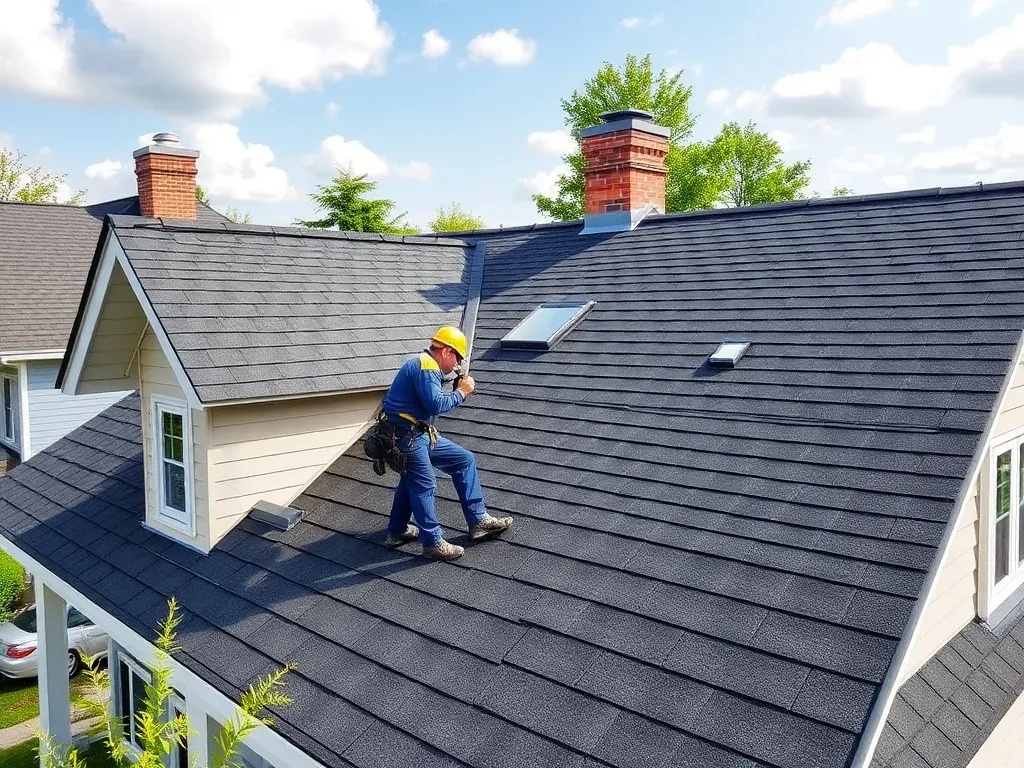
The install starts with roof inspection. We climb your roofline, check the roof deck (usually plywood or OSB sheathing), test for rot or sag, and examine the valley and step flashing where the roof meets sidewalls.
If the substrate is sound, we proceed with tear-off. A proper tear-off means stripping all existing shingles and felt down to bare deck, then inspecting every foot for hidden rot, compromised joints, or ventilation blockage.
Some builders just lay new shingles over old ones—this is called an overlay. Overlays trap moisture and cut lifespan in half. We haul all debris to a dumpster and start fresh.
Next comes underlayment. We install ice-and-water shield along the eaves (at least 3 feet up) to protect against ice dam backup. The rest of the roof gets synthetic underlayment or roofing felt to breathe while shedding water.
Tar paper (bitumen-felt) is traditional; modern synthetic materials outperform it and allow better vapor transport. At the ridge and eaves, we install drip edge—metal channels that guide water away from fascia and soffit, preventing rot.
Ridge cap (overlapping shingles at the peak) and ridge vent (slotted opening for attic exhaust) reduce ice dam risk by keeping the deck cold. Then the shingles themselves begin.
We start with a starter course—partial shingles nailed along the bottom eave to fill gaps and create a water seal. Then field courses (full shingles) in staggered rows, never aligned vertically so water cascades down.
Each shingle gets face-nailed with ring-shank nails (twisted barbs resist pulling) or hand-sealed with roof cement in high-wind areas. Never back-nail—driving fasteners too high weakens the shingle and creates uplift points.
At transitions—step flashing where roof meets chimney, counter-flashing from the wall, apron flashing at dormers—we install metal boots. Pipe penetrations get pipe boots and vent boots. Skylights get flashing kits.
Open valleys use exposed metal channels; closed valleys interlock shingles. Parapets (walls that rise above the roof line) need special flashing. The entire assembly needs balanced ventilation—soffit vents draw cool air, ridge vents exhaust hot, moist air.
Without this, ice dams form in winter and attics cook in summer. Insulation and vapor barriers keep the attic temperature close to outside air, so the roof deck stays cold.
Cost & Timeline in Chicago
A typical 2,000-sq-ft residential roof with 5:12 pitch and architectural shingles runs $8,500–$14,000 depending on complexity. Hip roofs, dormers, and skylights cost more.
Debris disposal, permits (required for tear-off over 100 sq ft), and flashing upgrades add $1,500–$3,000. Cheaper 3-tab jobs run $6,000–$10,000.
Installation takes 2–4 days for most homes. Manufacturer warranties on shingles span 20–30 years pro-rated; our workmanship warranty is 10 years on labor.
Chicago Climate Challenges
Freeze-thaw cycles here crack and curl shingle edges. Heavy snow loads require proper rafter and joist sizing; ice dam removal requires steam (safer than chisels) and reinspection of flashing and shingles above.
Hail leaves bruises and granule dents that may not leak immediately but compromise the shingle's 25-year lifespan. Document damage with photos and contact your insurance adjuster.
We file claim paperwork and coordinate with the adjuster's inspection. Many policies pay full replacement cost on new roofs from storm damage, less the deductible. Check for snow guard installation if you live near a parapet or chimney—it prevents avalanche slides.
Building Code & Licensing
Building codes here require step flashing at all vertical junctions, 4-foot ice-and-water shield minimum, ridge vents for new construction, and a licensed contractor for commercial jobs.
Residential work can be owner-builder, but most homeowners hire us to handle permits and inspections. Licensed and insured contractors carry liability and workers' comp.
What's Included
- Full roof inspection and roof deck assessment for rot, sag, or structural issues
- Complete tear-off of existing shingles, felt, and debris hauling to dumpster
- Installation of ice-and-water shield, synthetic underlayment, and drip edge
- Architectural shingles (GAF, Owens Corning, or CertainTeed) with ring-shank nails per building code
- Flashing replacement: step flashing, counter-flashing, pipe boots, and chimney flashing
- Ridge vent installation and soffit vent clearance for ventilation
- Permit filing and roof inspection coordination with city inspector
- 10-year workmanship warranty and manufacturer warranty registration
Our Shingle Roofing Process
- Inspection & Estimate — We inspect your roof deck, check for rot or sag, assess flashing and valleys, and provide a written estimate with material options (3-tab vs. architectural shingles) and warranty details. 2. Tear-Off & Debris Removal — We remove all existing shingles, felt, and debris, haul everything to a dumpster, then inspect the bare roof deck for hidden damage. Repairs to rotted plywood or joists are priced separately. 3. Underlayment & Flashing — We install ice-and-water shield at eaves, synthetic underlayment across the field, and drip edge at rake and eave lines. All step flashing, counter-flashing, and vent boots are installed or replaced. 4. Shingle Installation — We lay starter course, then staggered field courses of architectural shingles using ring-shank nails. Ridge vents are installed; ridge caps are shingled. Hand-sealed seams in high-wind areas strengthen the install. 5. Quality Check & Cleanup — We inspect every course, check nail spacing and placement, verify flashing seals, and sweep the perimeter. Valley and ridge seals are checked for adhesive. 6. Permit & Final Inspection — We file permits (if required for replacement over 100 sq ft), schedule the city inspector, and ensure your roof passes all building code requirements.
Signs You Need Shingle Roofing
Signs You Need Shingle Roofing Repair or Replacement
- Granules in gutters and downspouts indicate shingle erosion and end-of-life wear
- Missing or curled shingle edges where water can seep under the lap
- Water stains on interior ceilings or attic rot—a sign of active leaks from flashing or damaged shingles
- Exposed nail heads or fasteners sticking up, which allows water penetration and wind uplift
- Ice dams forming at eaves each winter, backing water under shingles and into your attic
- Hail damage bruises or dents visible on new shingles (check within 30 days of storm for insurance claim)
- Blistering or peeling asphalt, especially on southern-facing roof slopes exposed to UV damage
- Moss or algae growth, often a sign of poor drainage and trapped moisture on low-slope roofs
Don't just take our word for it — hear from our satisfied customers.
"Our roof in Lincoln Park was showing heavy granule loss and we had water stains in the upstairs bedroom. Chicago Roofing Team removed the old shingles, upgraded our flashing, and installed architectural shingles. That was three winters ago—no leaks since, and our gutters stay clean. They handled the permit and the city inspection too." — Michael T., Lincoln Park
"An ice dam backed water into our Wicker Park attic last February. The team came out same day, did an inspection, and explained the ventilation issue. They installed new ice-and-water shield and ridge vents. This winter, no ice dam, and the attic stayed dry. Licensed and insured—that mattered to our mortgage company." — Sarah K., Wicker Park
"Hail hit our Bridgeport home in July. Insurance paid for a full replacement. Chicago Roofing Team filed the paperwork, coordinated the adjuster inspection, and installed new GAF Timberline shingles in 3 days. Professional crew, no shortcuts, and we got a 25-year warranty." — James L., Bridgeport
Ready to get started? Call us today at 3123133253 for a free estimate.
Free estimates · Licensed & Insured · 25-year warranty
Call 3123133253